

Devon’s Leading RAID Data Recovery Specialists for RAID 0, 1, 5, 6, 10 and Beyond
With over 25 years of experience, Exeter Data Recovery is the trusted name in RAID recovery. Whether you are a home user, SME, multinational enterprise or government agency, we offer professional, efficient, and technically advanced RAID recovery services. From 2-drive software arrays to complex 64-disk hardware RAID configurations, we are equipped to diagnose and recover from all RAID failure scenarios.
Our RAID Recovery Services
We recover data from:
- RAID 0, 1, 5, 6, 10, 50, 60, JBOD, and custom RAID arrays
- Software and hardware-based RAID setups
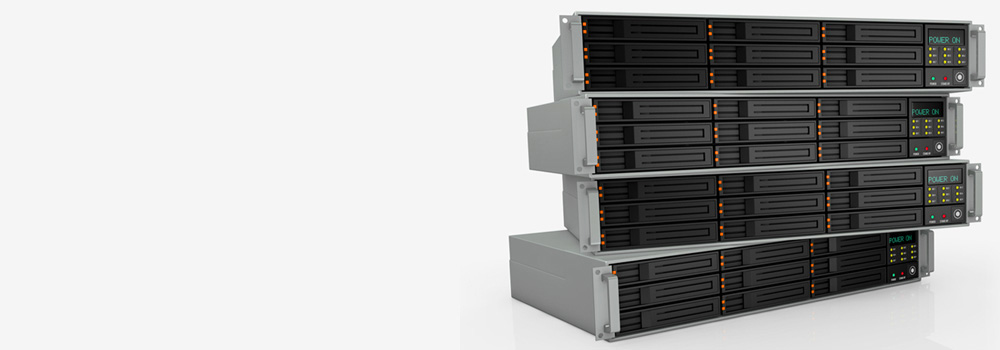
- NAS, SAN, and rack-mounted RAID storage systems
- All RAID file systems: NTFS, EXT3/4, XFS, Btrfs, ZFS, HFS+, APFS, ReFS
Our engineers routinely recover RAID data from all industry-standard RAID brands and storage devices used by businesses, professionals, and individuals across the UK.
Supported RAID Systems & Manufacturers
We support RAID systems built by:
- Dell EMC
- Hewlett Packard Enterprise (HPE)
- Synology
- QNAP
- NetApp
- Western Digital (WD)
- Seagate
- Buffalo Technology
- Drobo
- Netgear
- Lenovo
- Intel
- ASUS
- Promise Technology
- LaCie
- IBM
- Adaptec (Microchip)
- Areca
- Thecus
- …and other OEM and white-box solutions
We also recover from systems using drives from:
Seagate, WD, Toshiba, Samsung, Hitachi (HGST), Crucial, SanDisk, Kingston, Maxtor, Corsair, ADATA, Fujitsu, and more.
Top 20 RAID Failures – Technical Overview and Recovery Process
Below are the most frequent RAID issues we resolve, with a technical explanation of our recovery approach for each:
1. Multiple Drive Failures
- Cause: Ageing drives, vibration, or simultaneous hardware failures.
- Recovery: Drives are cloned sector-by-sector, with unstable drives prioritised first. RAID parameters are manually reconstructed using parity analysis or pattern recognition.
2. RAID Rebuild Failures
- Cause: Attempted rebuild using incorrect drive or degraded disk.
- Recovery: The rebuild attempt is reversed, and original disk order and parity are recalculated from raw data. A virtual RAID is created for data extraction.
3. Controller Failure
- Cause: Power surge or board damage.
- Recovery: The controller is bypassed. Manual configuration reconstruction is done using metadata and parity verification.
4. Accidental Reinitialisation
- Cause: User or software reinitialises array, deleting metadata.
- Recovery: Low-level disk scans are used to detect previous RAID configuration. File system structures are rebuilt without relying on lost metadata.
5. Disk Reordering
- Cause: Incorrect physical drive order after removal or rebuild attempt.
- Recovery: Sector comparison algorithms identify correct order. Logical reconstruction is validated by parity alignment.
6. Logical Corruption
- Cause: Corruption of file system, volume structures or MFT tables.
- Recovery: File system-level recovery is carried out after RAID reconstruction. In-depth parsing of metadata recovers directory structure and files.
7. Firmware Bugs
- Cause: Vendor bugs leading to sudden drive inaccessibility or misidentification.
- Recovery: Firmware modules are repaired or replaced using proprietary tools. The drive is then cloned for RAID reconstruction.
8. Bad Sectors
- Cause: Physical wear of magnetic media.
- Recovery: Drives are imaged using error-managed read algorithms. The virtual array is built from recovered sectors.
9. Parity Drive Failure
- Cause: Parity disk becomes unreadable in RAID 5/6.
- Recovery: Parity is recalculated using remaining data sets. File integrity is verified through checksum matching.
10. Dropped or Removed Disk
- Cause: Disk becomes offline or unassigned.
- Recovery: Metadata on removed disk is matched with active array to identify configuration. Manual rebuild avoids automatic parity overwriting.
11. File System Incompatibility
- Cause: Mixed operating system environments corrupt volume access.
- Recovery: Logical RAID reconstruction precedes file system repair using cross-platform recovery tools.
12. Drive Cloning Errors
- Cause: Attempted user recovery damages original data.
- Recovery: Original drive sectors are analysed, and any partially written sectors are repaired using parity rebuilds.
13. RAID Metadata Loss
- Cause: Formatting or accidental overwrite of RAID config.
- Recovery: Proprietary tools extract and rebuild metadata structure from unused disk space and known header patterns.
14. Power Surge Damage
- Cause: Voltage spikes destroy controller or drive PCBs.
- Recovery: Damaged boards replaced. Drives powered with lab-regulated equipment to safely access data.
15. RAID Expansion Failure
- Cause: Failed array extension due to controller misconfiguration.
- Recovery: Previous RAID state is restored by manual reconfiguration, followed by file recovery from pre-expansion volume.
16. RAID Level Migration Error
- Cause: Changing RAID level without correct backup.
- Recovery: Data from previous array is extracted by reversing RAID level operations using parity and disk signatures.
17. Unrecognised Array
- Cause: BIOS or OS fails to detect volume.
- Recovery: Drives are analysed independently. RAID is reconstructed virtually and mounted for recovery.
18. Overwritten RAID Header
- Cause: Disk used in a different array or formatted.
- Recovery: Previous RAID headers are identified using deep sector analysis, and virtual config is rebuilt.
19. OS Corruption Within RAID
- Cause: System files corrupted within OS RAID volumes.
- Recovery: Boot-level data is isolated and rebuilt after array reconstruction. OS-specific file recovery is performed.
20. Volume Not Mounting
- Cause: Mount point or file system corruption.
- Recovery: Volume is scanned using forensic recovery tools to reconstruct mountable partitions and extract file data.
Top 10 Common Issues in RAID Virtual Systems
- Incorrect RAID configuration after migration
- Virtual drives reporting as degraded or offline
- Metadata mismatch between virtual disks
- Faulty firmware updates on virtual RAID controllers
- Drive size mismatch in dynamic arrays
- RAID volume expansion without file system resize
- Cluster size misalignment across virtual volumes
- Corrupted .vhdx or .vmdk container files
- Simultaneous virtual and physical disk failure
- Hypervisor conflict in shared RAID storage environments
Why Choose Exeter Data Recovery for RAID?
- 25+ Years of RAID Recovery Expertise
- Support for Complex Multi-Disk and Custom RAID Levels
- Proprietary Tools for RAID Signature Matching & Parity Repair
- Free Diagnostic Evaluation
- Proven Track Record Across Corporate, Government, and Home Clients
- UK-Wide Service with RAID Support Available in Coventry and Beyond
Contact Our RAID Engineers
If your RAID system has failed, do not reinitialise, rebuild, or reformat the array. Every step taken after a RAID failure can complicate or reduce chances of a full recovery.
Contact Exeter Data Recovery immediately. Our RAID specialists will conduct a free diagnostic assessment, advise on the safest course of action, and begin professional recovery using industry-leading methods.